Understanding a language begins with the connections between words

Spaced repetition stretches over months, so what enters the queue really matters. In kamishibai, every review brings back not a dry translation but the meaning you chose inside a whole phrase — together with its pronunciation, intonation and a living construction. For me this turned out to be one of the most effective ways to genuinely grow a language without scattering time and attention.

how the phrases connect with each other

Even ten learned phrases weave into a matrix: 16 shared patterns occur 78 times across them. Some you don't notice at first, but they matter just as much for understanding the language — and each review reinforces them in a new context.

recurring patterns

what helps over the long run

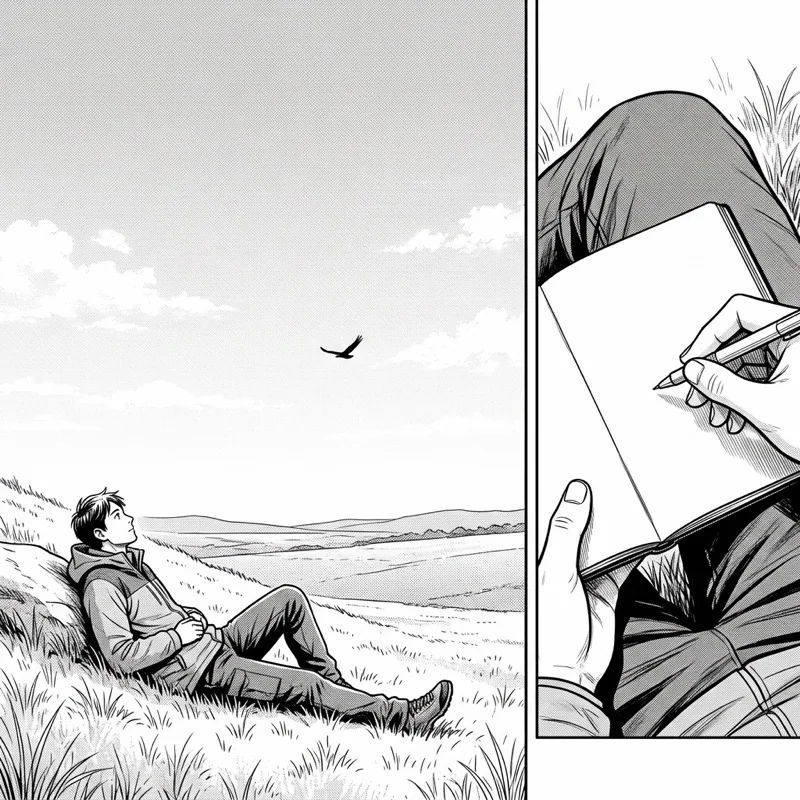
  • Black-and-white kamishibai card illustration: an observer on a hillside records a bird in the sky in a notebook.

    pick words from your own life

    The best context is what you yourself read, watch and do. Many of these words live only inside their own topic — in everyday life you might not meet one for years. Set phrases are a trap of their own: it's easy to read one the wrong way and never notice. Once you've gathered enough words, send them to kamishibai.

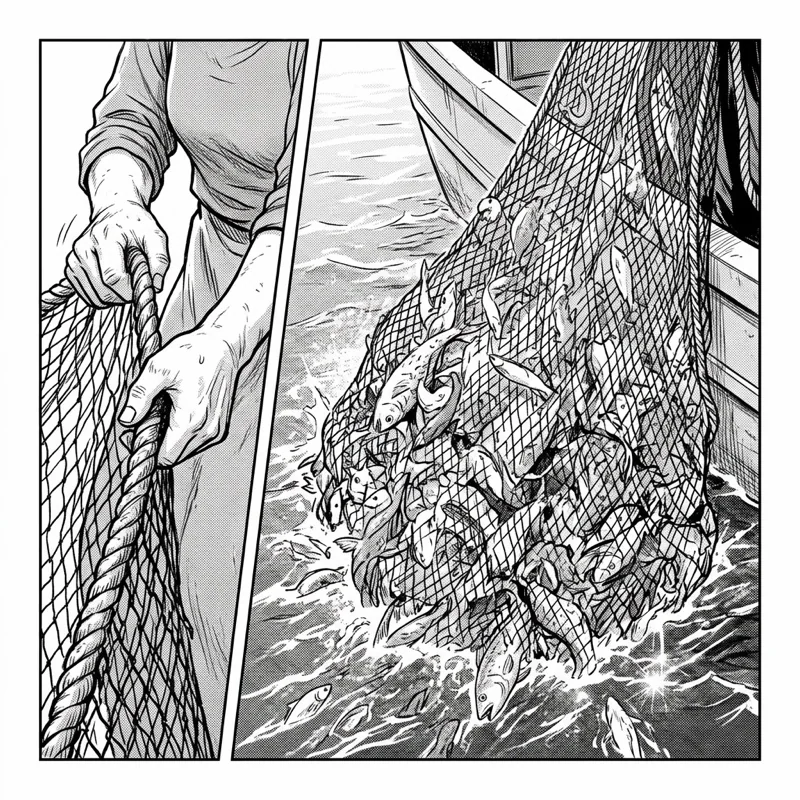
  • Black-and-white kamishibai card illustration: a hand pulls the edge of a net and the whole catch rises from the water.

    recall the whole phrase

    Formally a card tests one word, but you have to recall the whole phrase — which means the article, the word order and everything else along with it. Over months this small thing compounds: what you train is not a list of translations but the ability to understand and use the language.

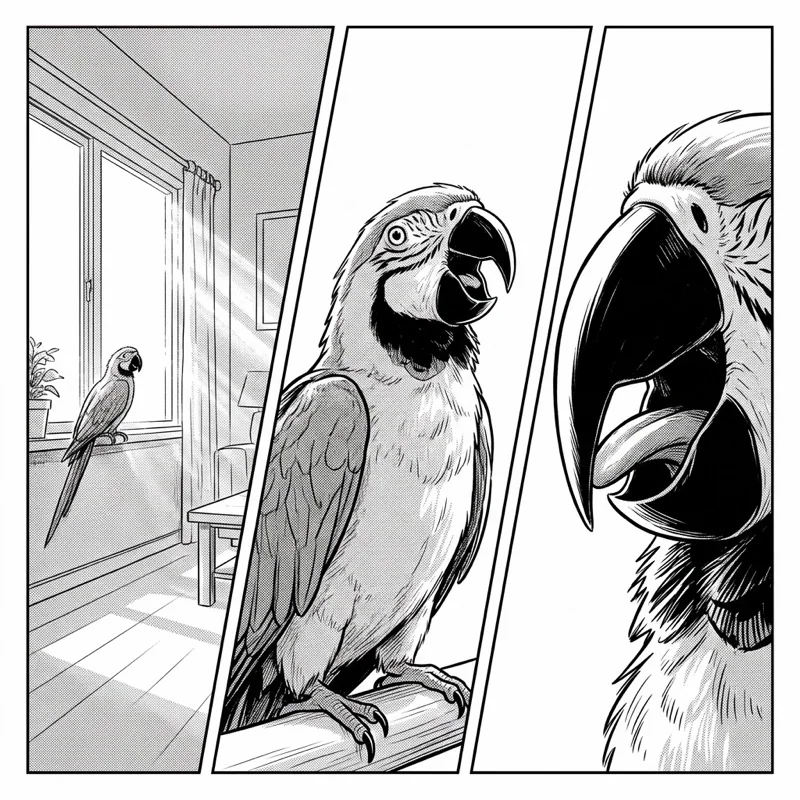
  • Black-and-white kamishibai card illustration: a parrot by a window repeats the voice it hears every morning.

    always check against the audio

    A phrase learned silently from text later sounds nothing like native speech — and retraining pronunciation costs more than hearing it from day one. So after every recall attempt, you check against the audio and say it out loud. The illustration does the same for meaning: it restores the scene where the phrase belongs.

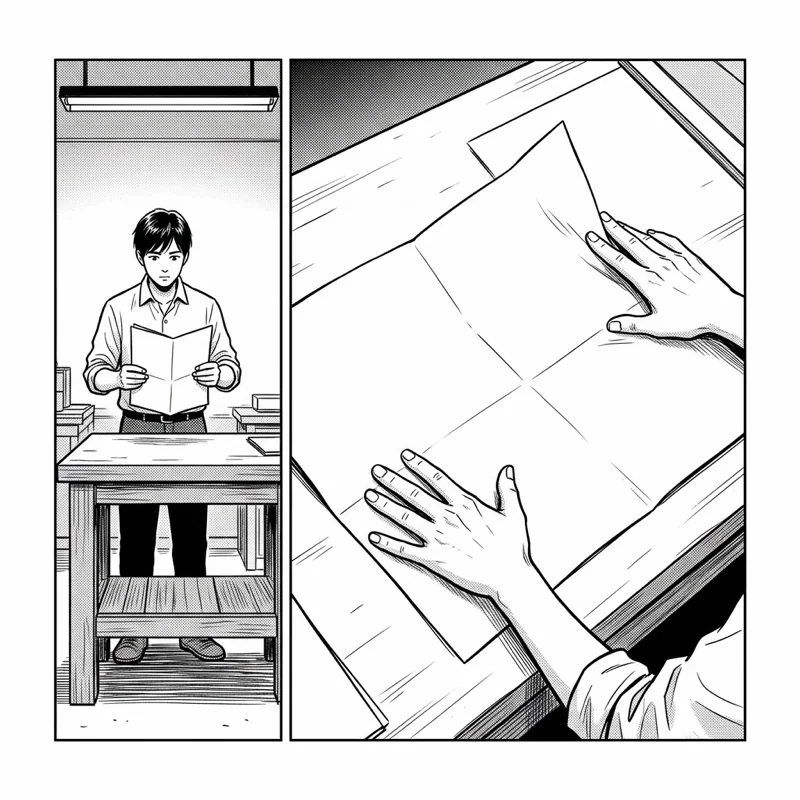
  • Black-and-white kamishibai card illustration: before assembly, a craftsperson spreads a diagram across the table.

    step outside kamishibai

    A lot of the useful work happens outside the tooling too. When a construction puzzles me, I throw a screenshot at a chatbot and ask why it's this way and not another. The two-line answer goes straight into the card as a note, so it comes up during reviews. And a phrase you dislike as a whole is easier to regenerate right away — otherwise you'll spend months reinforcing a bad version.

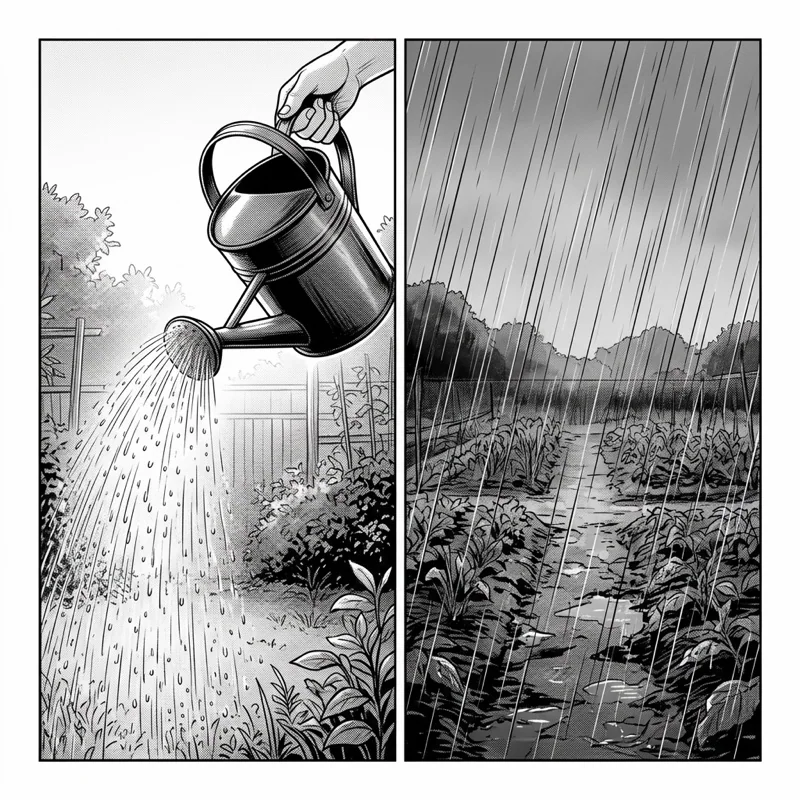
  • Black-and-white kamishibai card illustration: a watering can over an evening garden bed contrasts with a downpour over the garden.

    use the algorithm to keep your pace

    What to show today is Anki's decision — all that's left to me is the inflow of new material. The load comes from fresh cards, not reviews, so I pace myself for the long run: about four new ones a day, seven at the ceiling. On a hard day it's better to skip new cards entirely — and there's always enough energy to review at least a couple of familiar ones.

How this works in practice — load, cost, data — in the questions and answers →

$ brew install anatoly-chichikov/tap/kamishibai